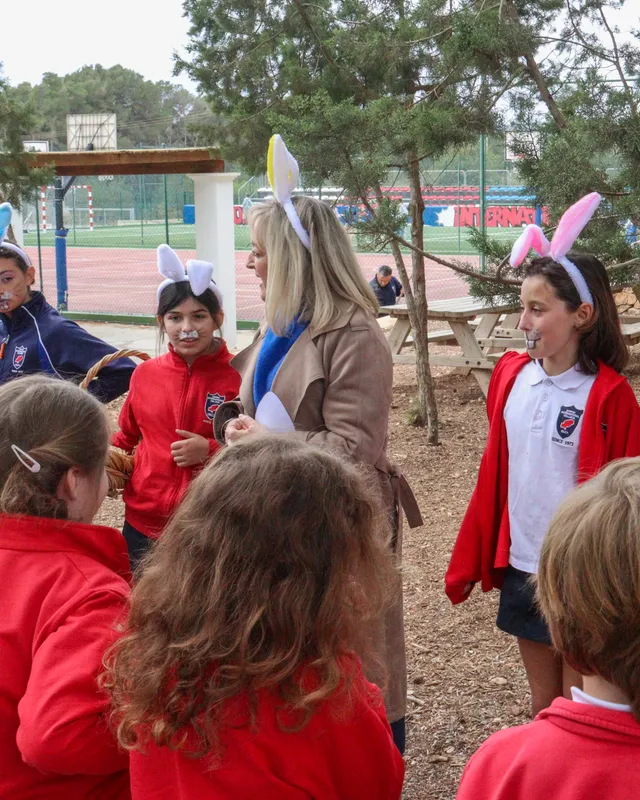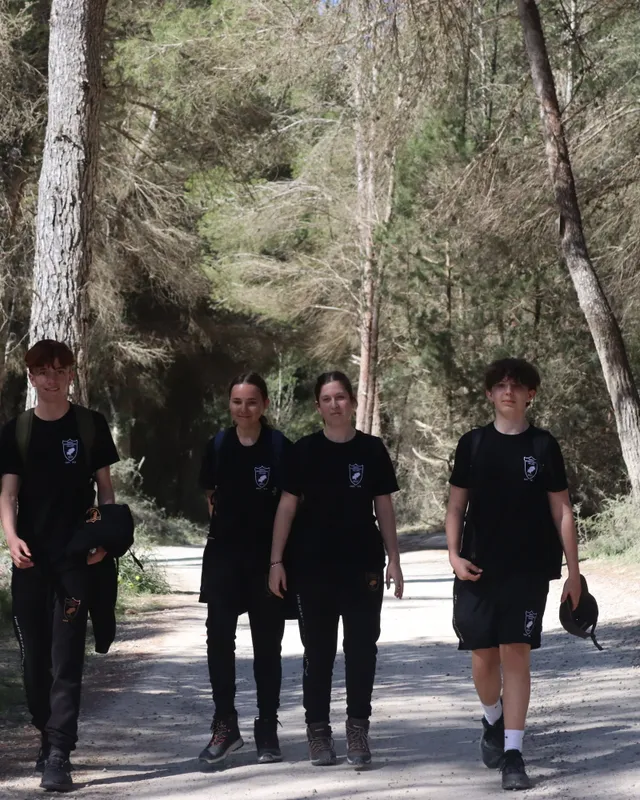
Some of the most memorable learning experiences happen far beyond the classroom.
At Morna International College, residential trips and educational travel have long been an important part of school life. They give students opportunities to discover new places, experience different cultures, challenge themselves, develop independence and share extraordinary experiences with their friends.
The journey grows with our students. It begins in Primary with the excitement of a first night away from home and develops into cultural journeys across Spain, mountain adventures, international sporting competitions, academic fieldwork, art and cultural visits, university fairs and experiences in some of the world's great cities.
Living on an island makes these opportunities particularly valuable. Travelling beyond Ibiza allows our students to access experiences that simply aren't available on our doorstep and to see their learning from a completely different perspective.
The aim is simple: to broaden horizons and help our students grow in confidence, curiosity and independence.
The Adventure Begins — Year 4
For many Morna students, Year 4 brings a special milestone: their first school residential.
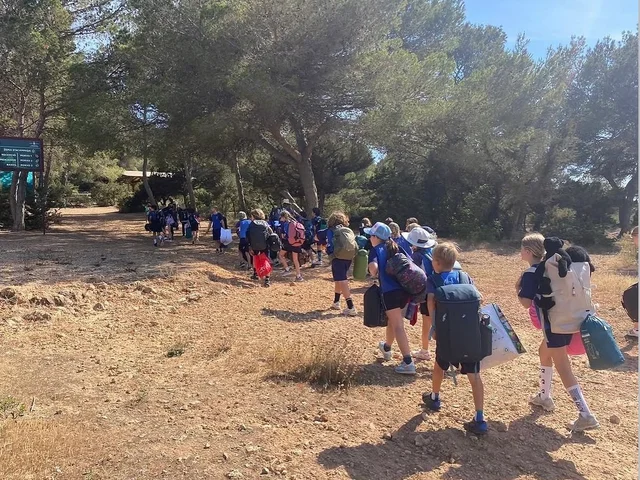
The adventure begins close to home with one overnight camping experience at Cala Jondal here in Ibiza. It is a gentle introduction to residential life — exciting enough to feel like a real adventure while remaining on the island.
For one night, students swap home for camp life, spending time outdoors with their classmates. Alongside the fun, they begin taking responsibility for their belongings, adapting to a different routine and experiencing what it feels like to be a little more independent.
For some, it will be their first night away from their family. It may only be one night, but to a Year 4 child it can feel like an enormous adventure.
And it is just the beginning.
Year 5 — Exploring Granada
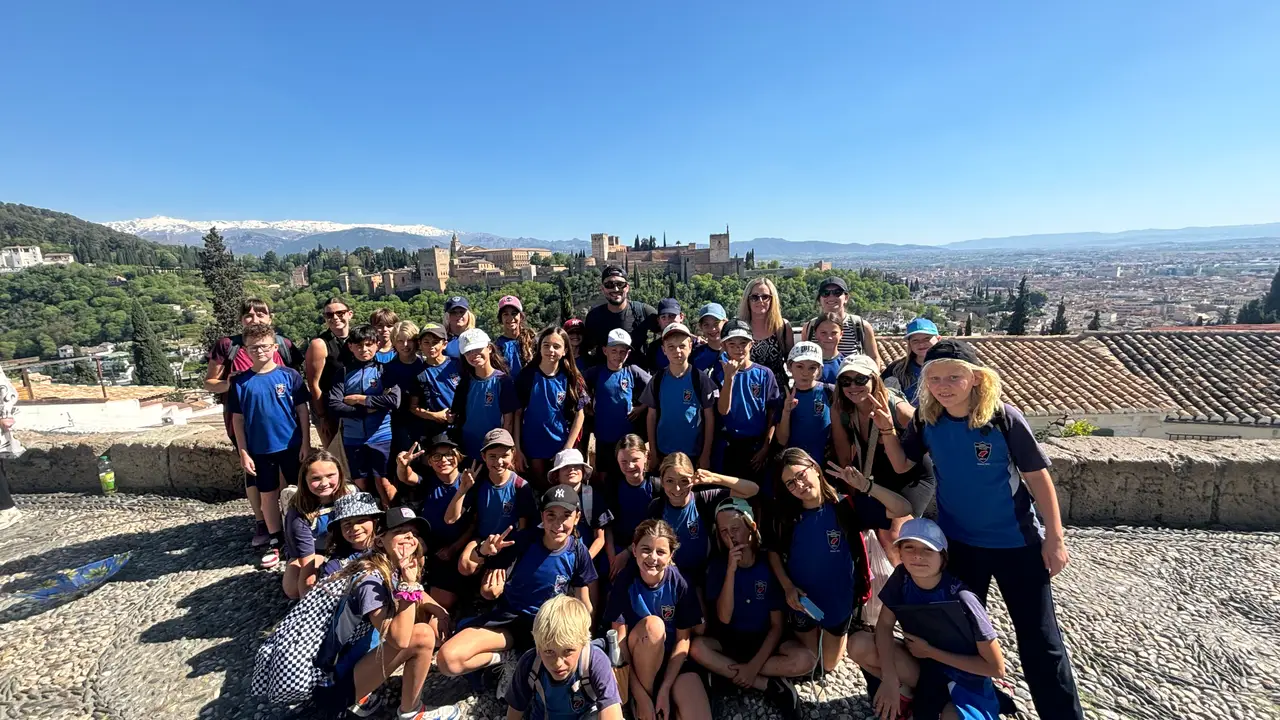
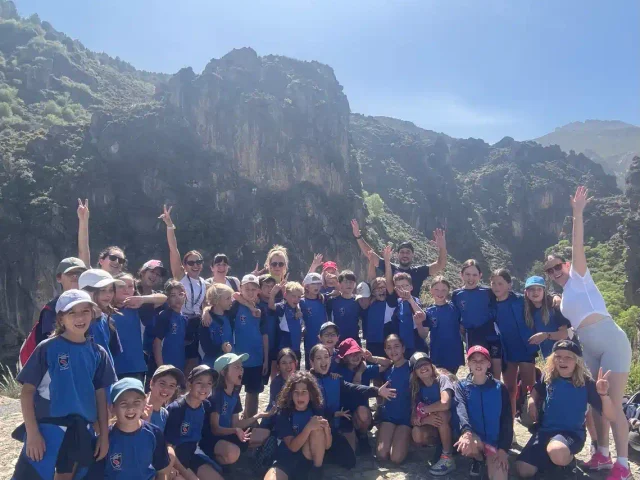
By Year 5, our students are ready to venture further, travelling to mainland Spain for a four-day, three-night residential in Granada.
History, science, geography, culture and outdoor adventure come together in one experience.
Students explore the cobbled streets and white houses of the Albaicín and discover the different cultures that have shaped the city. At the magnificent Alhambra, centuries of Spanish history come vividly to life as they explore its palaces and gardens.
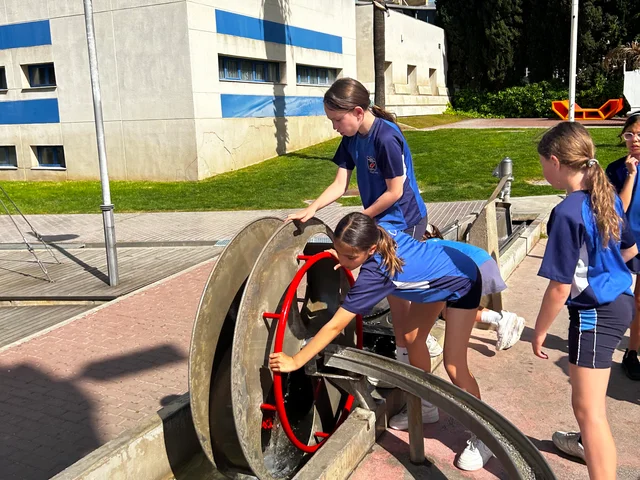
At Los Cahorros, students hike through dramatic scenery and cross hanging bridges, while Granada's Parque de las Ciencias brings science to life through interactive exhibits, the butterfly garden, Foucault pendulum and Human Body exhibition.
History can be walked through. Geography can be explored. Science can be experienced.
And alongside it all, students are learning to travel, cooperate and become increasingly independent.
Year 6 — Viva España: Madrid
The Primary residential journey culminates in Year 6 with Madrid, linking directly with the students' Viva España topic.
For a few days, Spain's capital becomes their classroom.
Students explore Madrid's famous galleries and cultural attractions, spend time in Retiro Park and experience the history, art and atmosphere of a major European capital.
A visit to the Real Madrid football stadium adds another kind of cultural landmark to the experience.
By the end of Primary, the progression is considerable: from one night at Cala Jondal, to four days discovering Granada, to exploring Madrid in Year 6.
Then Secondary opens up an even bigger world.
Years 7–9 — Mountains, Snow and Adventure
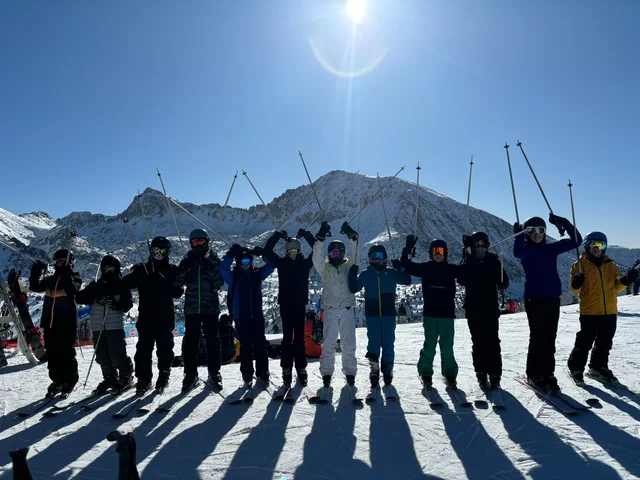
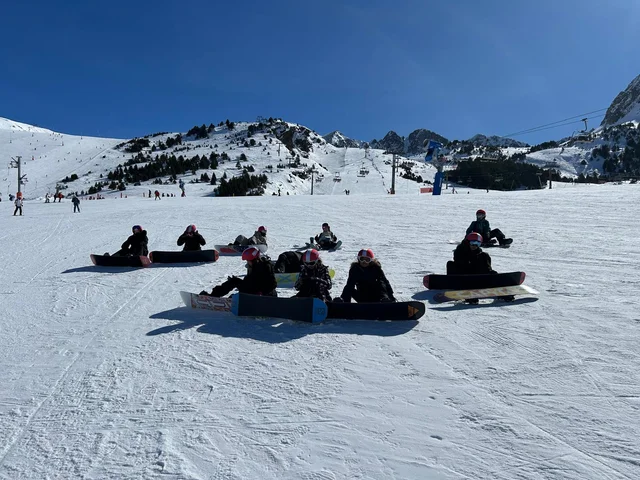
One of Morna's largest and most eagerly anticipated residential experiences is our KS3 Ski Trip — a Morna tradition that has been running for more than a decade.
Over the years, generations of students have travelled to different ski resorts, including La Molina in the Catalan Pyrenees, Sierra Nevada in Granada and, more recently, Andorra.
The destination may change, but the experience remains the same: an unforgettable week in the mountains, learning new skills, challenging themselves and enjoying life together beyond school.
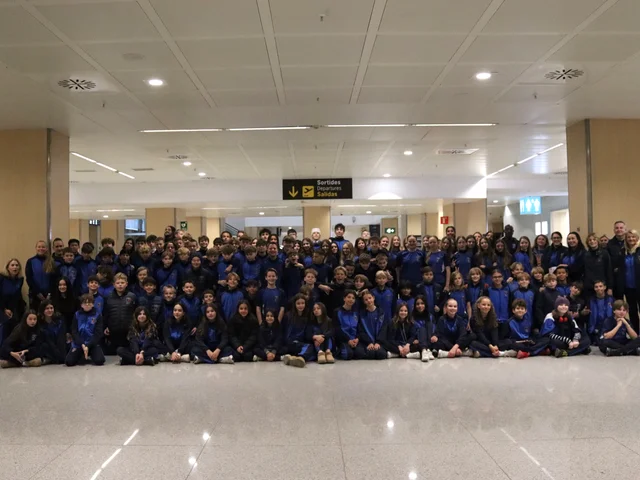
In 2025, an extraordinary 137 students and staff travelled from Ibiza, through Barcelona and into Andorra for a week of skiing and snowboarding at Grandvalira Grau Roig.
Students work with instructors in ability groups, from complete beginners experiencing the slopes for the first time to experienced skiers and snowboarders developing their technique on more challenging runs.
For some, there is also a direct academic connection. GCSE PE students who choose skiing or snowboarding as one of their practical activities can use the trip to record practical performance evidence for their GCSE course.
For everyone, however, the week is about much more than performance on the slopes. Students learn new skills, fall over, get back up, encourage one another and discover what they can achieve when they keep trying.
And the trip doesn't stop when the skiing finishes. In 2025, evening activities included ice skating, bowling, cinema and a visit to Andorra's Caldea Spa.
It can also create leadership opportunities for older students. In 2025, four DofE Gold students supported the trip, helping staff with organisation while developing their own leadership and teamwork skills.
As one student put it:
I would definitely go again. I'm so happy that I had the chance to experience it with my friends. It was really special.
And the Journey Doesn't Stop There
As our students grow, the opportunities become increasingly diverse, reflecting different subjects, interests and stages of their education.
Over the years, Morna students have travelled far beyond Ibiza. London has been a regular destination, while other opportunities have taken students to New York, Venice, Iceland, Berlin and many destinations across Spain and Europe.
Art students have travelled as far as New York and Venice, taking their learning beyond reproductions and textbooks and experiencing art, architecture and culture first-hand.
A painting can be studied on a screen, but standing in front of the original is different. History can be read about, but walking through the places where it unfolded gives it another dimension.
At Morna, we see the wider world as an extension of the classroom.
Sport Without Borders
Travel also gives Morna students the opportunity to represent their school through sport.
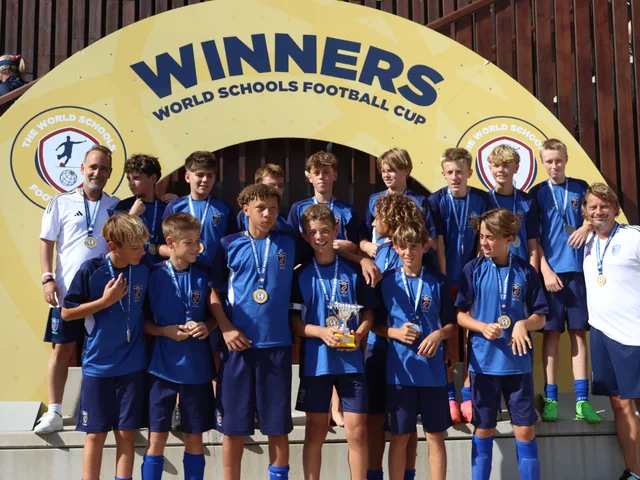
Morna has travelled to Cambrils on three occasions for international football experiences, including the World Schools Football Cup. In 2024, our players competed against teams from around the world at the Mediterranean Sport Village, staying together at Cambrils Park Sports Village.
These trips are about far more than the matches. Students travel, prepare and live together as a team, supporting one another through the highs and lows of competition and experiencing the pride and responsibility of representing Morna away from home.
In 2026, the football adventure continues in Verona, Italy, adding another international destination to Morna's sporting journey.
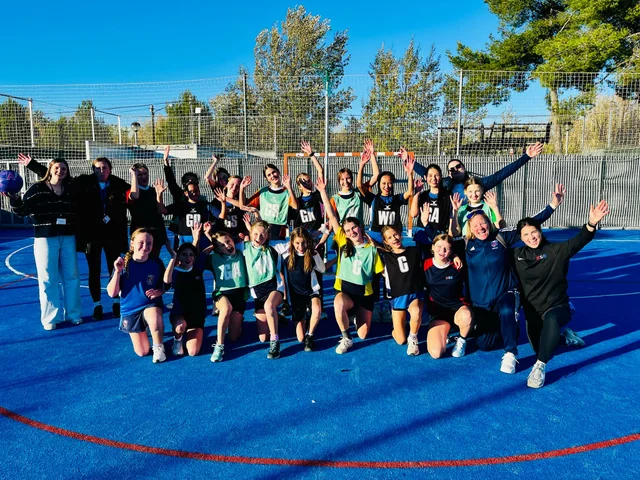
Football is only part of the picture. Students from Years 7–11 have also travelled to Barcelona for interschool netball, competing against the British School of Barcelona and taking on responsibilities including team captaincy.
Whether on a football pitch, netball court or ski slope, these experiences develop teamwork, leadership, resilience and school spirit — while creating memories that last long after the final whistle.
Culture, Debate and Global Citizenship
Travel also gives students opportunities to meet young people beyond their own school community, exchange ideas and find their voice.
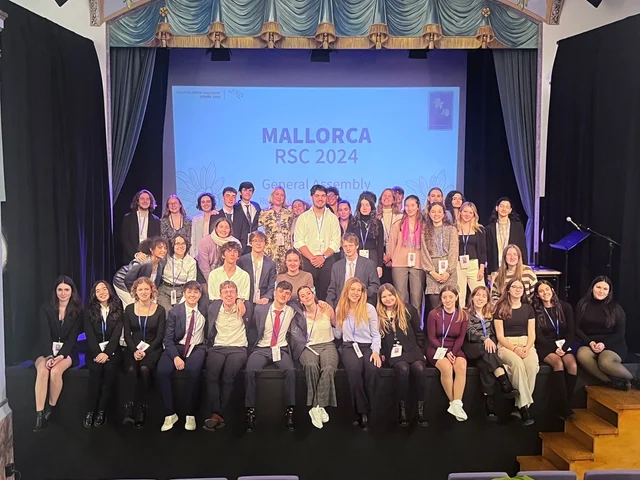
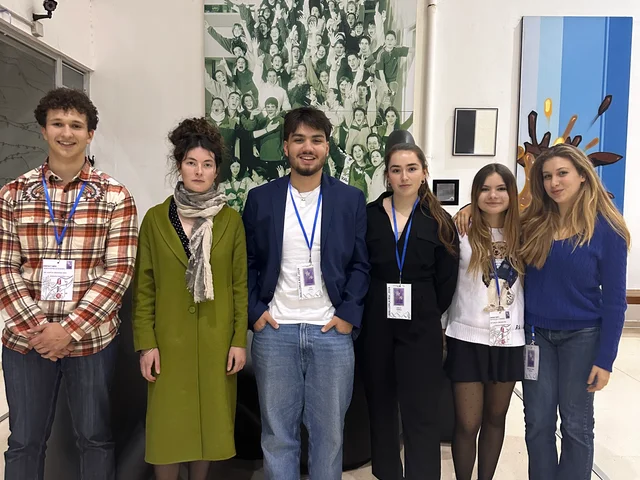
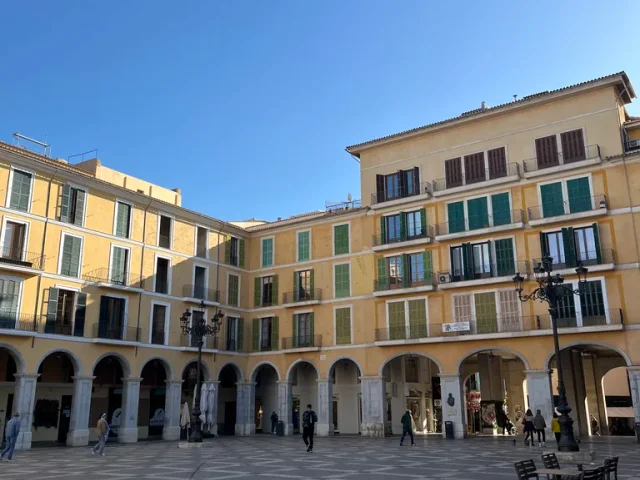
Morna students from Years 11 and 12 have travelled to Palma de Mallorca to participate in the European Youth Parliament, joining other young people for a weekend of committee work, discussion and debate.
Students explore contemporary issues, work with new people, develop arguments and present and debate their ideas. Morna has participated in the regional sessions for a number of years, developing students' confidence in public speaking while exposing them to different perspectives and ideas.
Taking Academic Learning Into the Real World
Some trips connect directly with the curriculum.
Travel & Tourism and Geography students have travelled to Mallorca to investigate issues including mass tourism, development and gentrification.
A-Level Geography students have conducted questionnaires with local residents and collected primary data relevant to their studies and examinations.
Travel & Tourism students have interviewed residents and business owners about the social impact of tourism, using their findings to develop socially sustainable travel itineraries supporting local businesses and responsible tourism.
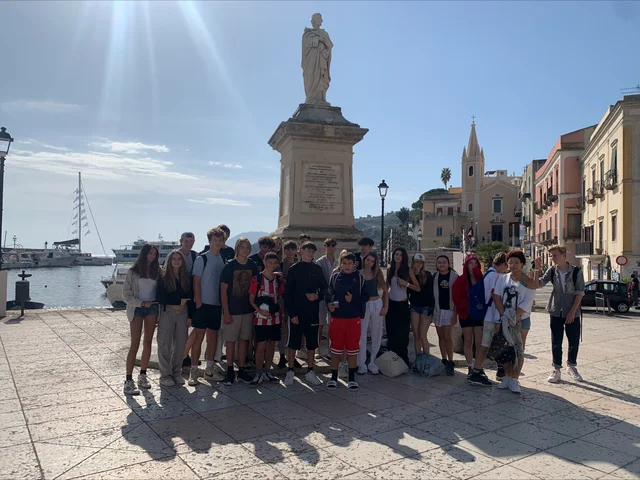
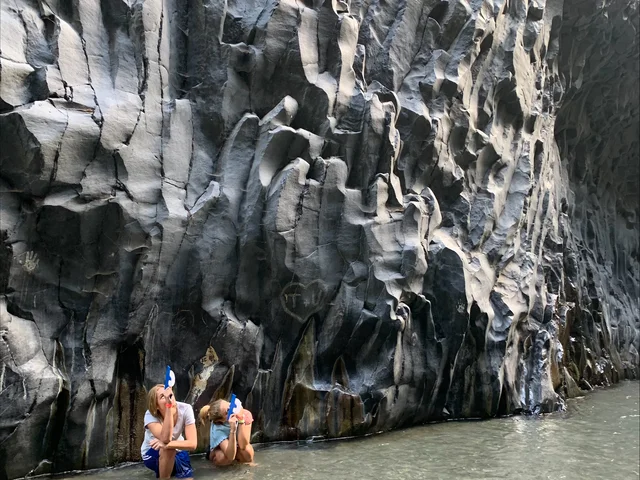
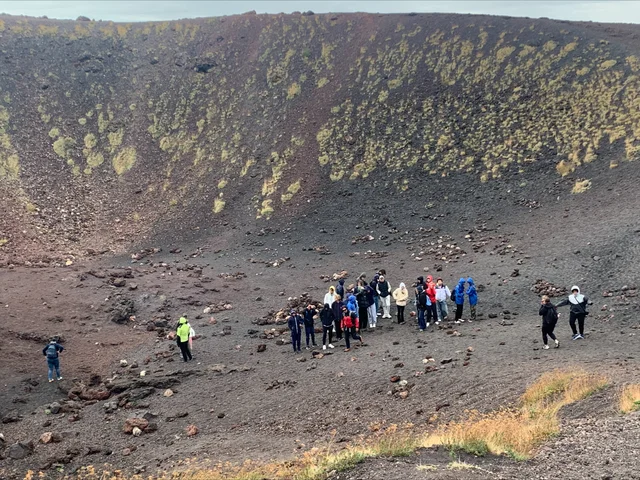
Year 10 and 11 Geography and Travel & Tourism students have also travelled to Sicily, exploring Mount Etna, volcanic islands and coastal features. At the Alcantara Gorge, students worked together to measure river characteristics and collect data for their Geography coursework, putting classroom learning into practice.
Instead of simply discussing these issues in class, students experience the communities affected by them, ask questions and collect their own evidence.
Sixth Form — Looking Towards the Future
By Sixth Form, travel increasingly connects with students' futures.
Living on an island brings many advantages, but access to large university and higher-education fairs is naturally limited. Morna Sixth Form therefore travels off-island in most years to access opportunities that would otherwise be difficult for our students to experience.
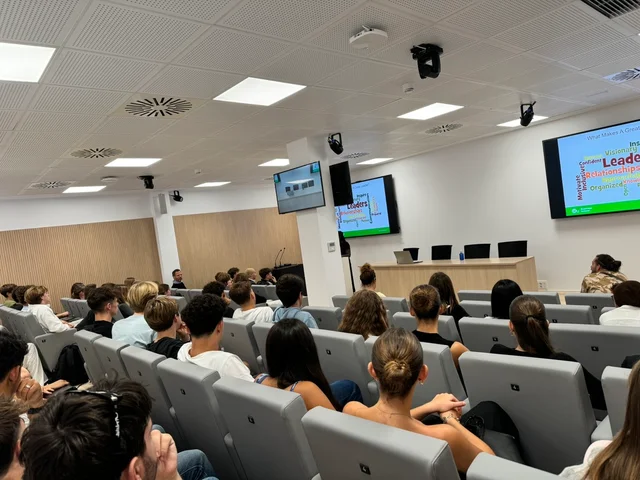
Trips frequently take students to Madrid and further afield for university fairs, open days and higher-education events, allowing them to meet university representatives, compare courses, ask questions and make more informed decisions about their next steps.
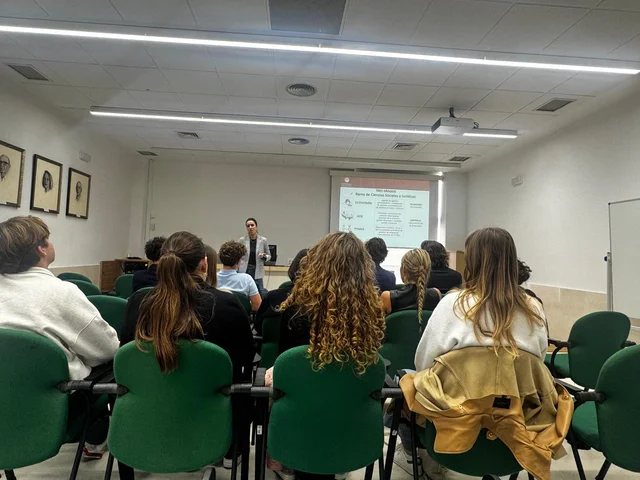
Students have also travelled to Salamanca and Segovia, visiting the University of Salamanca and IE University. They explored degree programmes, learned about Spanish university applications and international admissions, and participated in workshops and lectures offering a taste of university-style learning.
For students at an international school, the next step may be in Spain, the UK or much further afield. Experiencing different universities and cities helps make those choices much more tangible.
And there is something special about that progression.
The child whose first Morna residential may have been one night at Cala Jondal in Year 4 is now travelling to university fairs and campuses and deciding where in the world the next stage of their education might take them.
More Than a Trip
There is obvious educational value in visiting a gallery, walking through a historic city, conducting geographical fieldwork, debating an international issue, visiting a university or learning a new sport.
But residential experiences teach other things too.
They teach students to remember their own belongings, try unfamiliar food, share a room, navigate an airport and adapt when something doesn't go to plan. They learn to encourage a nervous friend, get back up after falling in the snow, represent their school, become part of a team and discover that they are capable of more than they thought.
These experiences build confidence, resilience, curiosity, friendship and independence in ways that are difficult to reproduce in an ordinary school day.
Where Will Morna Take You?
From a child's first overnight adventure at Cala Jondal, through Granada and Madrid, to a ski tradition that has taken generations of Morna students to La Molina, Sierra Nevada and Andorra, travel has long been part of a Morna education.
As students grow, that world grows with them.
Over the years, Morna students have travelled to London, New York, Venice, Iceland, Berlin, Barcelona, Cambrils, Sicily, Madrid, Mallorca, Granada, Salamanca, Segovia, Andorra and beyond — with Verona joining that story in 2026.
Some journeys are about history and culture. Others are about sport, art, geography, science, academic study, university preparation or simply having the courage to try something completely new.
The destinations change. The challenges become greater. The students become more independent.
But the purpose remains the same: to step outside the familiar, experience something new and create memories that can last long after the journey home.
The adventure grows as our students do.